Cover crop considerations for 2026
Cover crop considerations for 2026
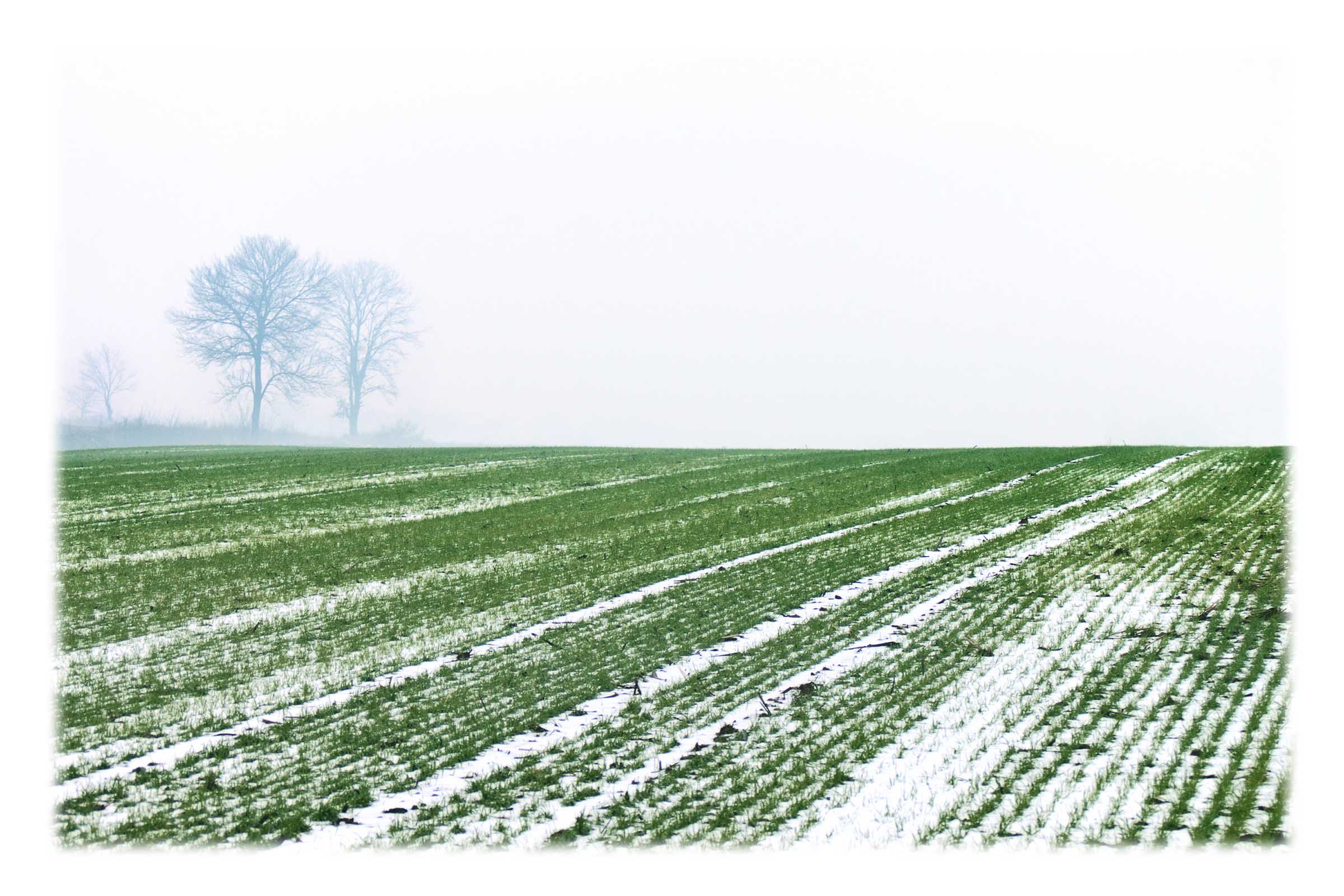
Farmers in Kentucky have been managing many fields no-till and low-till for decades. Cover crops are needed to help reduce soil erosion, especially when following soybeans. Soybean residue is decomposing by February in many fields, leading to soil erosion. The top priority of a cover crop in these fields is to reduce soil erosion.
Going with a Grain
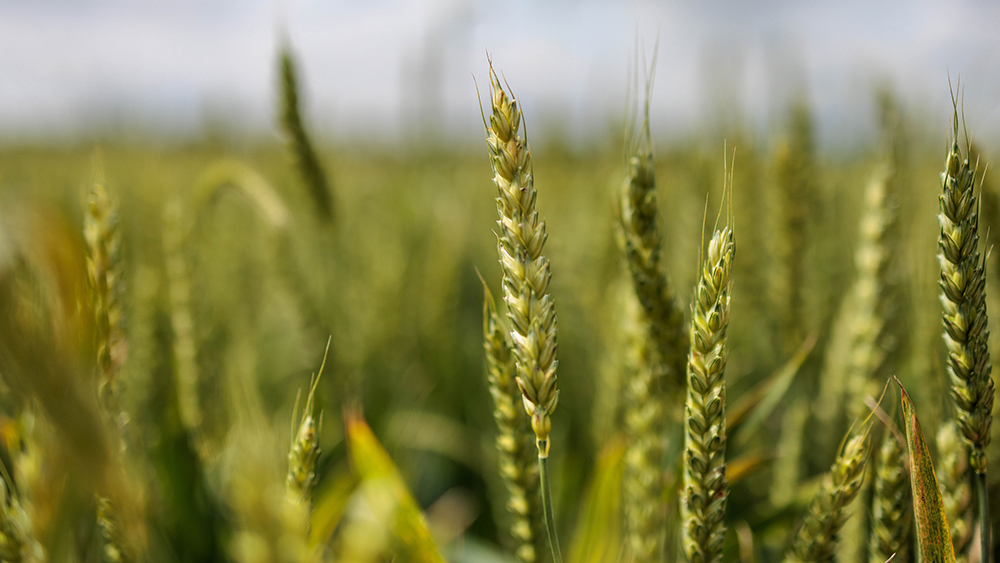
The best options for reducing soil erosion are the small grains – wheat, barley and cereal rye. These three crops usually have good seed quality, grow well in our fields and will produce root systems that help reduce soil erosion. Plant wheat, barley or cereal rye in October, preferably, or November with a drill with disk openers. The drill with disk openers will provide adequate soil-to-seed contact, which is necessary given the dry conditions this fall. Seeding rate can be between 40 to 60 lbs per acre, trending toward the higher rate with later plantings.
If the soil test calls for phosphorus to be applied, apply DAP (18-46-0) in the fall. That little bit of nitrogen with the DAP will help establish the cover crops.
Terminate the cover crop about 4 weeks before planting corn in the spring. Using a herbicide like glyphosate to terminate before planting corn will reduce potential competition with the corn crop. The remaining cover crop root system will stay mostly intact for at least 4 to 6 weeks following termination, helping to hold soil in place.
Using a single or mix of these cereal cover crops (wheat, barley and/or cereal rye) and terminating about 4 weeks before corn planting probably provides the best combination of inexpensive seed, success in establishment, and reduction of soil erosion. This approach will require an additional 20 to 40 pounds of nitrogen per acre in the following corn crop.
Other Species
Legumes are often used to provide some plant-available nitrogen to the following corn crop. Crimson clover and Austrian winter pea can be planted in mid-October. Brassicas like radishes are reported to help with soil compaction in some cases. Brassicas should be planted in September for the best results. If the legume is terminated early (4 weeks or so before planting), there is little to no nitrogen benefit to the following corn crop. Most radishes selected for cover crops in this region will be killed by freezing temperatures well before planting corn. Other brassicas like canola (or oilseed rape) will survive most winters in Kentucky.
Legumes and brassicas have many benefits, but are often slow to establish in fall and, with the exception of oilseed radishes, do not provide adequate groundcover on their own. Therefore, if the goal is to reduce soil erosion, legumes and brassicas should be mixed with a small grain cover crop. Glyphosate alone may not be sufficient to terminate the mixed species cover crops. If these mixes are terminated 4 weeks before planting corn, there is an expectation that an additional 20 to 40 pounds of nitrogen per acre is needed for the corn crop.
Additional Resources
For more information regarding cover crops, see:
AGR-1 2025-2026 Lime and Nutrient Recommendations
AGR-240 Cover Crop Benefits and Challenges in Kentucky
AGR-18 Grain, Forage, and Cover Crop Guide for Kentucky
Citation: Lee, C., Haramoto, E., Poffenbarger, H., 2025. Cover Crop Considerations for 2026. Kentucky Field Crops News, Vol 1, Issue 10. University of Kentucky, October 10, 2025.
Chad Lee, chad.lee@uky.edu
Erin Haramoto, erin.haramoto@uky.edu
Hanna Poffenbarger, hanna.poffenbarger@uky.edu
Related Information