Grain markets: A year in review and what lies ahead
Grain markets: A year in review and what lies ahead

CORN
Corn markets in 2025 remain weighed down by record production and large carryover supplies, keeping prices under pressure despite modest demand improvements. Ethanol use has flattened, feed demand is soft as cattle herd rebuilding remains slow, and exports, led by Mexico, are the strongest demand component but still not enough to meaningfully tighten the balance sheet. Prices have stabilized around $4.25/bu but remain historically low.
Moving into 2026, corn prices are expected to stay relatively weak without a major shift in supply or demand. Acreage reductions will be necessary to rebalance the market, and exports will continue to play a critical role. Trade policy, including tariffs, negotiations, and geopolitical developments, remains the biggest risk factor. Longer-term opportunities like Sustainable Aviation Fuel may eventually add demand, though impacts remain uncertain. Seasonal marketing, early sales during spring strength, and use of storage to capture basis improvements will remain key strategies as the long-term outlook stays generally bearish unless exports improve or domestic demand expands.
SOYBEANS
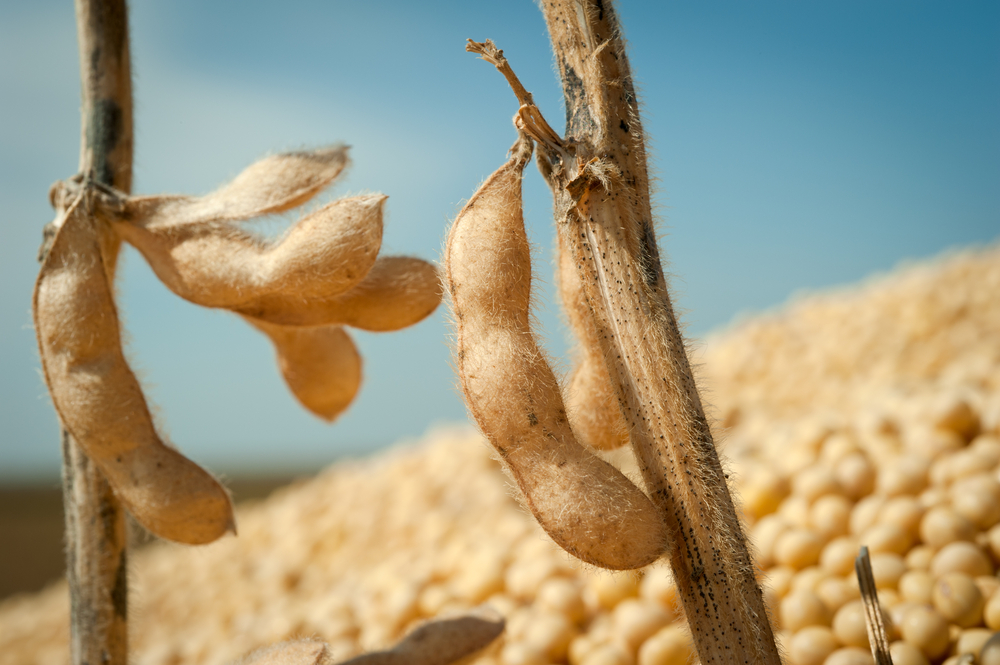
Soybean prices in 2025 stabilized near $11.00/bu after two years of sharp declines, recovering from the $9.50 harvest low. Domestic crush expansion continues to support demand, but uncertain exports, particularly slow Chinese buying through November, have prevented stocks from tightening. While supply and demand resemble 2022, price behavior looks more like the 2018 trade-war downturn.
Looking ahead to 2026, soybean prices are expected to follow traditional seasonal patterns, with moderate winter or early-spring rallies before falling ahead of harvest. If China maintains steady purchases, average prices around $11.25/bu are possible, though volatility will remain high. Crush capacity will keep expanding through 2030 and will tighten stocks over the long term but crush alone is unlikely to trigger major price rallies. Export performance will remain the deciding factor. Marketing early and using storage to capture basis appreciation will again be important as short-term price behavior remains highly sensitive to trade developments and global weather.
WHEAT
U.S. wheat production increased again in 2025, led by strong Hard Red Winter yields. Prices have improved since late summer, though it is unclear whether the true market bottom has been established. Kentucky’s season-average price likely landed near $4.75/bu. Domestic food and seed use remain flat, and the projected increase in feed use may be overstated given ongoing cattle herd constraints. Weak financial conditions and limited planting incentives are expected to reduce double-crop wheat/soybean acreage in Kentucky.
In 2026, wheat acreage nationwide is expected to remain limited, placing more weight on export performance. Tight global stocks and recent quality concerns in the EU and China may create export opportunities for the U.S., although Australia’s record crop provides additional competition. Geopolitical tensions in the Russia–Ukraine region could create volatility and short-term pricing opportunities. The 2026 average price is expected to be around $5.00/bu, with potential for higher marketing opportunities if acreage declines materialize.
Citation: Gardner, G., 2025. Grain Markets: A Year in Review and What Lies Ahead. Kentucky Field Crops News, Vol 1, Issue 12. University of Kentucky, December 16, 2025.

Related Information