What to consider if switching to RR-only or non-GMO corn hybrids
What to consider if switching to RR-only or non-GMO corn hybrids
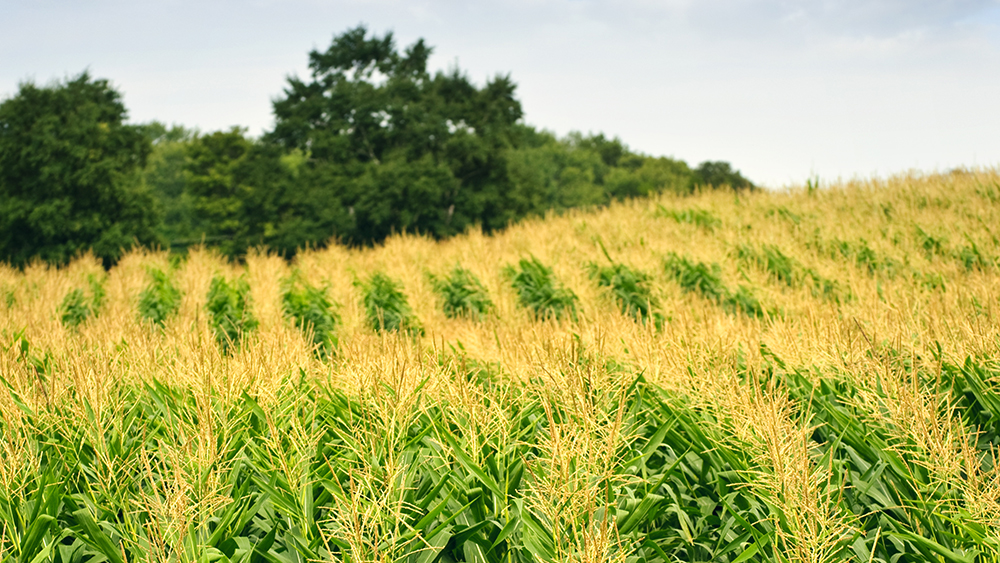
As farmers look at the economics of 2025 and the projections for 2026, some are considering cutting back on traited hybrids for the RR-only or non-GMO hybrids. The RR-only and non-GMO hybrids could reduce seed costs by about $20 per acre up front. There are other potential costs and potential management needed if switching to RR-only or to non-GMO corn.
Scouting
Farmers should be employing competent crop scouts, already. Crop scouts who regularly check planter performance, weed pressure, insect populations and disease movement will pay for their services by helping farmers manage what needs to be managed. If a farmer switched to non-GMO or RR-only corn hybrids, then an effective crop scout is even more important, especially if European corn borers are an issue. For European corn borers, consultants and farmers should rely on pheromone-based monitoring for this pest.
Weed Control
When choosing hybrids for weed control traits, the weed species present in each field should be considered. While most farmers are applying more than glyphosate to corn that has the RR trait, excellent weed control in corn requires a mix of burndown herbicides, soil residual herbicides and early postemergence options for weed escapes. Fields that contain troublesome broadleaf weeds such as Palmer amaranth, waterhemp, or late season vining weeds can benefit from the additional Liberty Link trait in the premium hybrids. Fields that have a presence of troublesome grasses such as Johnsongrass should continue to be planted to RR-traited or Enlist traited hybrid to provide additional tools for control of this problematic species. Perhaps the biggest challenge when switching away from RR traits is tank cleanout between sprays, especially when going from corn to soybeans and back.
Insect Management
Corn Borer Infestations
Most Bt corn hybrids sold in Kentucky will protect corn against corn borer infestations. Both Southwestern Corn Borer and European Corn Borer species will fly into corn fields and cause yield losses. Corn planted later in the season is at greater risk from corn borer damage and yield losses. Scouting for insect population thresholds and applying foliar insecticides only when they are needed is critical to reducing yield losses in non-Bt corn. European corn borer thresholds for 1st generation corn borers are 50% of the plants showing a “shot hole” or “window pane” damage and larvae are present. The threshold for 2nd generation is if egg masses average one per plant and egg hatch has begun or if 50% of the plants inspected have live larvae feeding on the plants. For Southwestern Corn Borer, control measures should be taken if 35% of the plants show damage and larvae are present in the whorls. Also, it is required to plant refuge areas of a susceptible hybrid to delay resistance for all of these Bt hybrids. Each Bt hybrid requires specific management practices and growers should check these recommendations. For refuge areas conventional management is still recommended.
Corn Earworm
After the corn borers, corn earworm is perhaps the most important insect pest that some Bt hybrids protect against. There are several generations of corn earworm and infestation can occur as early as June. However, corn earworms normally infest corn during the silk stage, and its control is difficult because eggs are laid on fresh corn silks which will not be protected with insecticides. Then, hatched larvae can make tunnels into the tip of the ear beneath the husk without contacting any insecticide. The economic threshold for CEW in whorl-stage corn is when 50% or more of the plants are infested.
Scheduling Planting of non-Bt Hybrids
Planting the non-Bt corn hybrids early could help them avoid the corn borer infestations. If a farmer expects to plant some corn later in the season, then that corn likely should contain the Bt trait to protect against corn borers.
Reducing Seeding Rates
Some farmers are considering dropping back seeding rates a bit to also reduce upfront seed costs. Deeper soils with high productivity potential and excellent water holding capacity can handle about 32,000 to 36,000 live seeds/acre. Soils with about 3 feet of rooting depth and less than 12% slope usually can handle about 26,000 to 30,000 seeds/acre. Very shallow soils and soils on steeper slopes are at much greater risk for drought conditions should not exceed 26,000 seeds/acre. If farmers want to move closer to the lower end of these ranges for 2026, they should not see much difference in yields. On the eroded slopes, farmers may want to drop all the way down to 22,000 seeds/acre. Reducing seeding rates by 2,000 or 3,000 seeds/acre may save $5.00 or so per acre but reducing seeding rates too much will also reduce yield potential.

Citation: Lee, C., Legleiter, T., Villanueva, R., 2025. What to Consider if Switching to RR-only or non-GMO Corn Hybrids. Kentucky Field Crops News, Vol 1, Issue 10. University of Kentucky, October 10, 2025.

|

|

|